Liquid Disposal Options

Now you have your IAPMO certified Mata solid waste interceptor. Where should the water leaving the unit go? Weʻve put together a brief guide of the options available to homeowners through the Department of Health as well as a few we have in development.

Step 1. DOH Design Area

How much disposal area does the department of health require? The complete Chapter 11-62 regulating wastewater systems in Hawaiʻi is available on the DOH website. However, hereʻs a brief overview.

1a. Estimate Gallons of Wastewater Flow

For a standard home assume 200 gallons per bedroom. For other usage patterns like campground or farm toilet see Appendix D Table I of HAR 11-62.

1b. Estimate Loading Rate

Perform a Percolation Test. Use the percolation rate to select a loading rate from Appendix D Table III.

1c. Calculate Disposal Area

Disposal Area = Flow (gallons per day) / 200 x  Loading Rate

1d. Select a Location

See Appendix D Table II for setback distances from homes, property lines, and trees. The location should be downhill from a Mata outlet to allow for gravity flow. Stormwater drainage should be directed away from the disposal site.


Step 2. Select a Disposal Option

Absorption Bed

A conventional absorption bed disperses treated wastewater through a network of perforated pipes into bed of gravel that is covered with landscape fabric and buried.
‍
Absorption beds are best use when a homeowner has an open, flat space without trees.

Absorption Trench

An absorption trench disperses treated wastewater through perforated pipes in individual trenches layered with gravel, landscape fabric, and soil.
‍
Absorption trenches are best used on sloped sites or in long narrow spaces.

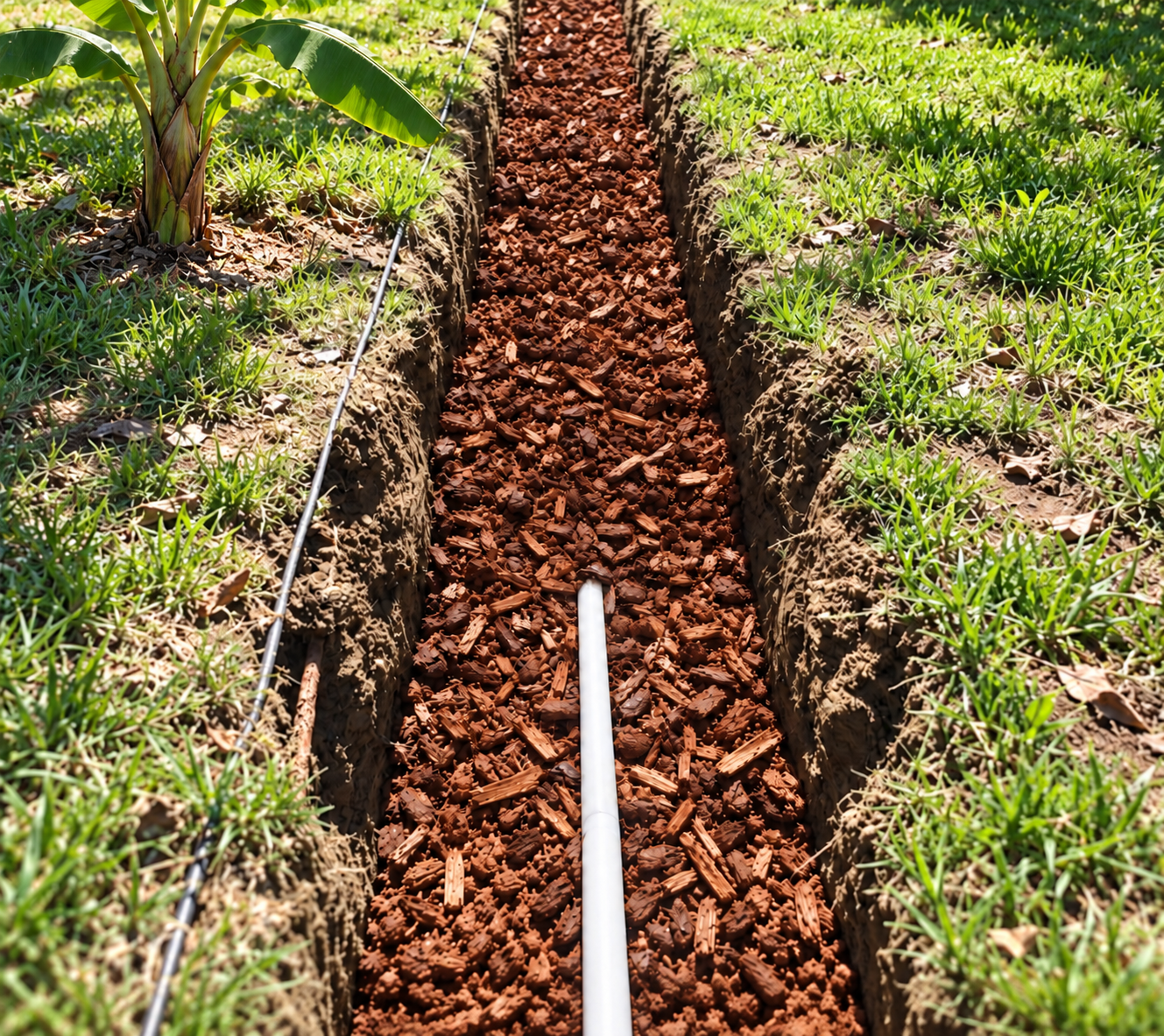
Mulch Trench

The mulch trench is designed to use the nitrogen in wastewater as an opportunity for fertigation and soil reclamation.
‍
Vegetation and trees are planted next to the trench so they can use the nutrients. After a period of 5-10 years when the wood chips break down and tree roots have moved in, the disposal line is removed and a new trench is built.

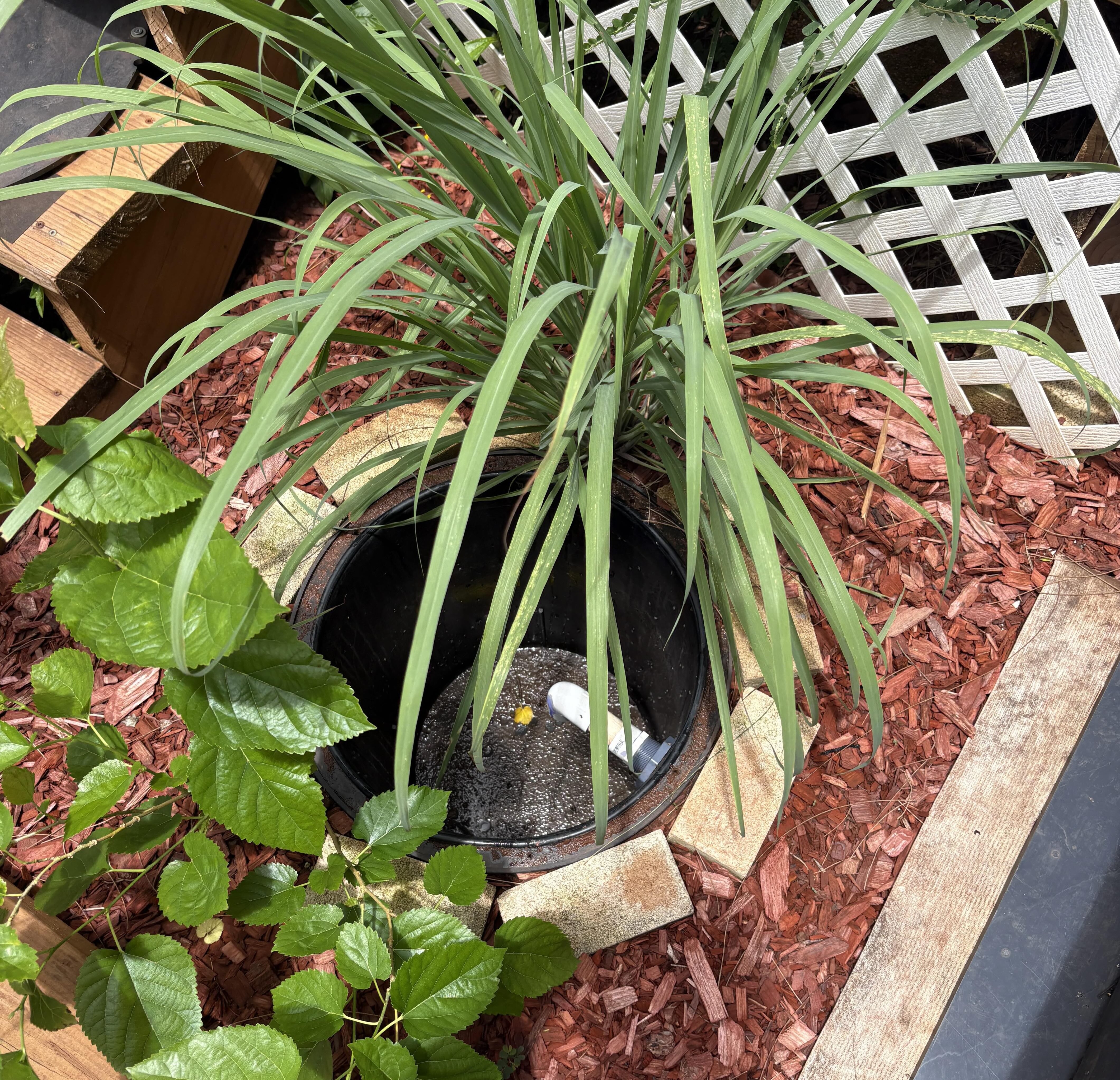
Treepage Pit

Like the mulch trench, the treepage pit is designed to use the nitrogen in wastewater as an opportunity for fertigation and soil reclamation.
‍
Vegetation and trees are planted next to the pit so they can use the nutrients. The lid of the treepage pit can be removed if maintenance or inspection is required.

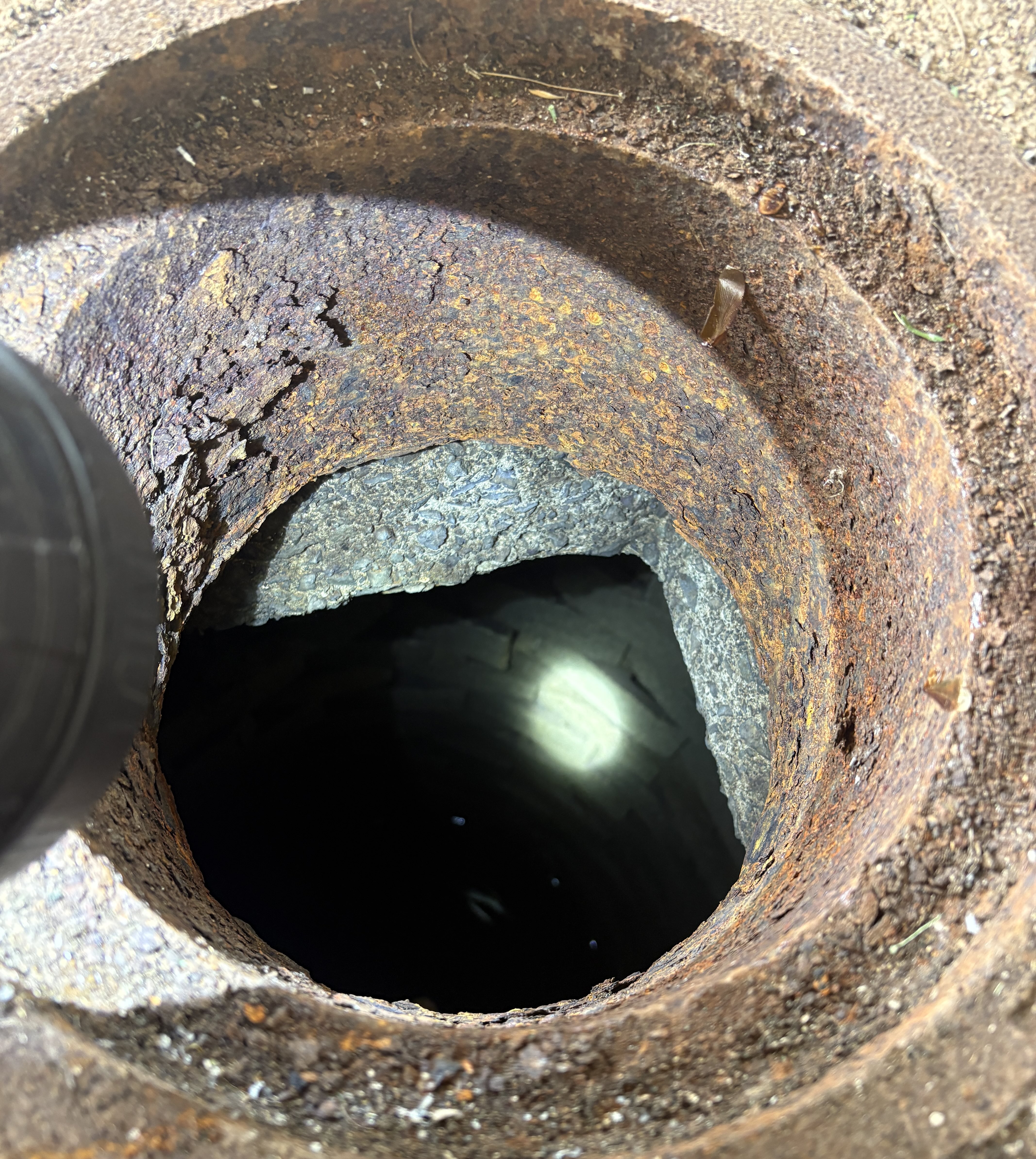
Existing Cesspool

The Department of Health has expressed that homeowners can reuse their existing cesspool as a seepage pit if the following are true:

1. Structural lining is present.
2. Cesspool passes injection test at 100% daily flow.
3. Existing cesspool does not have any report of failure.
4. Existing cesspool meets all setback requirements.

Mata now available state wide!

Cesspool upgrades, simplified.
Schedule A Call

FREQUENTLY
ASKED QUESTIONS

[    F.A.Q    ]
Will this system work with my home's plumbing?
Maintenance frequency varies based on garden needs but typically occurs on a monthly or seasonal basis.
How much does it cost to install?
The timeline varies based on the project's complexity and size. Small projects may take a few weeks, while larger ones could take a few months. During the consultation, we will provide a more accurate estimate. We will design garden based on your own needs, budget, and time constraints.
Can I install it myself?
The timeline varies based on the project's complexity and size. Small projects may take a few weeks, while larger ones could take a few months. During the consultation, we will provide a more accurate estimate. We will design garden based on your own needs, budget, and time constraints.
Do you offer maintenance services after Mata is installed?
Yes, we offer customizable maintenance packages to suit your garden's needs and budget.